



Climate Adaptation in Modern Agriculture
Global climate change, heat waves, and extreme solar radiation indices pose a critical threat to modern agriculture. ALPHA THRcoating thermoreflective coatings with hollow glass microspheres act as a selective climate shield.
This technology reflects up to 97.75% of incident radiant heat, thereby radically altering the microclimate in growing areas. It enables the efficient cultivation of fruits and vegetables even in desert conditions and areas with critical water shortages.
Main Areas of Application and Technological Advantages
Greenhouse climate control and protection against plant scorch
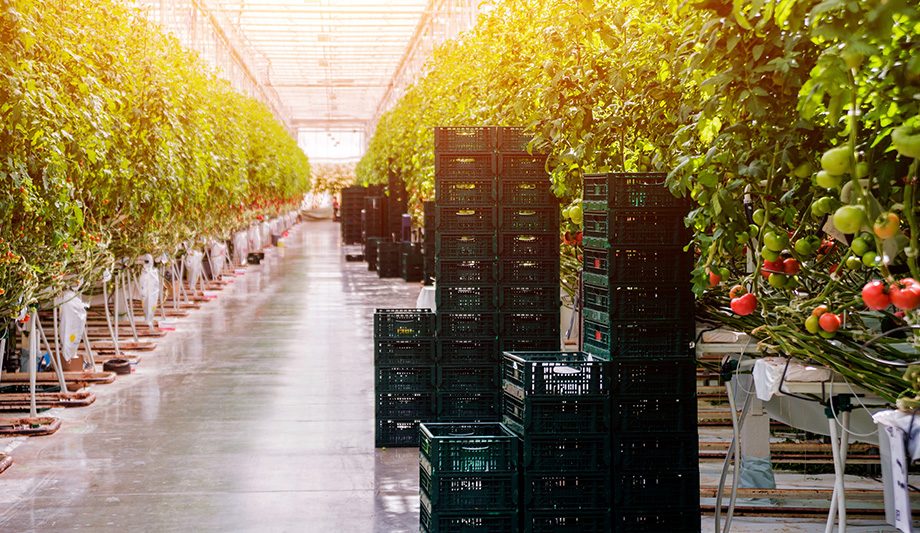
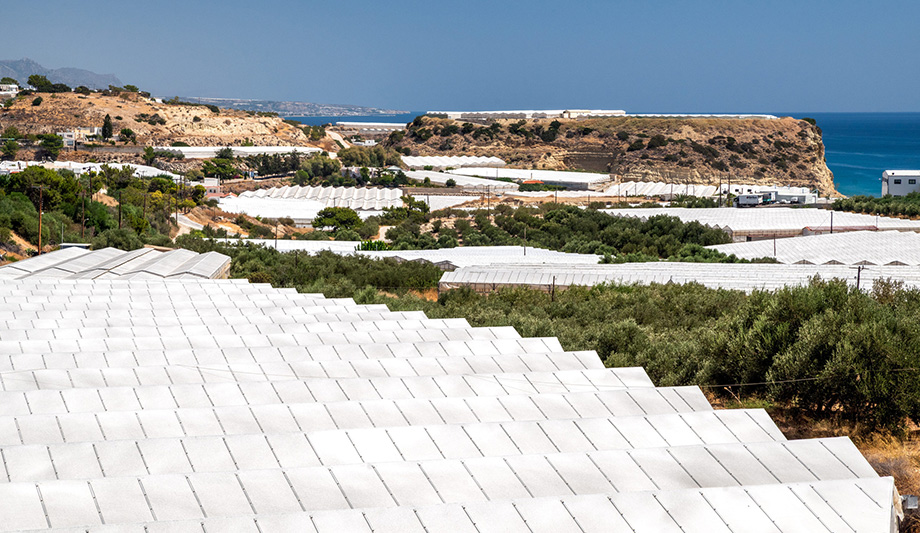
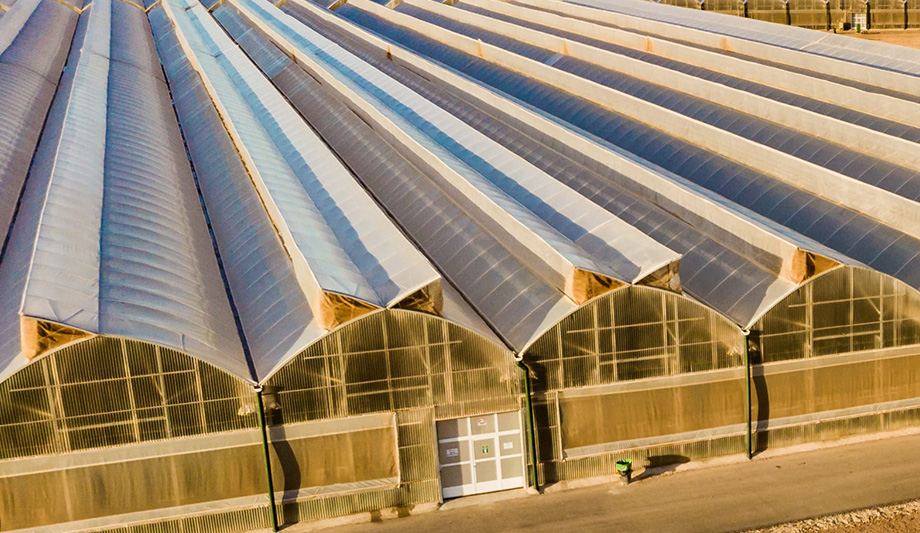
When applied to greenhouse structures, the coating reflects destructive infrared heat radiation while allowing the optimal spectrum of light necessary for photosynthesis to pass through. ALPHA coatings prevent the interior of the greenhouse from overheating. Plants do not suffer from heat stress, and leaves and fruits do not get scorched, leading to increased fertility and a higher overall yield.
Vertical Farming and Hydroponics
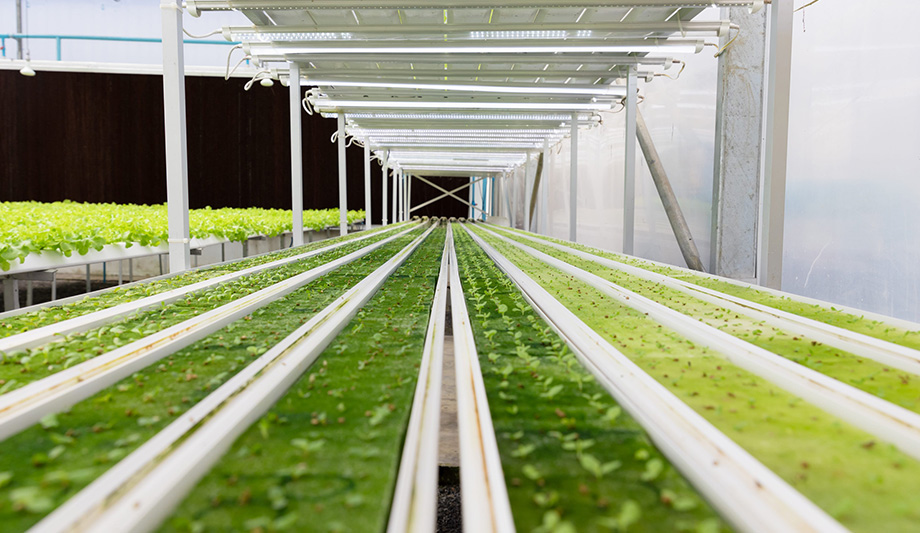
Vertical farms generate a huge amount of process heat. Applying the coating to the building’s exterior walls prevents the transfer of outdoor heat. Using ALPHA coatings reduces the energy demands on air conditioning and ventilation systems by up to 60%, which directly increases the profitability of the entire growing cycle.
Protection of Water Tanks and Irrigation Systems
Above-ground silos, tanks, and service water pipes are exposed to extreme temperatures when in direct sunlight. THRcoating ALPHA coatings keep the water cool. THRcoating ALPHA coatings prevent the water from overheating, thereby dramatically reducing the risk of cyanobacteria, algae, and harmful bacteria proliferating. At the same time, they reduce the costs of chemical water treatment.
Warehouses, Livestock Production, and Farm Sheds
Applying these coatings to the roofs of stables, cow barns, and poultry houses lowers the internal temperature during summer heat waves, thereby eliminating animal mortality from overheating and maintaining stable milk and egg production. At the same time, it ensures a dry and cool environment in silos, thereby preventing premature sprouting, nutrient degradation, and mold growth in stored crops.
Durability in Extreme Conditions
THRcoating ALPHA technology was developed with deployment in the planet’s most demanding biomes in mind. Once cured, the coating’s polymer matrix forms an extremely hard yet flexible surface. It withstands constant mechanical stress caused by sandstorms and wind erosion. The coating does not yellow, become brittle, or lose its reflective properties even after long-term exposure to extreme UV radiation in equatorial regions.
The effectiveness, semantic stability, and physical properties of THRcoating ALPHA coatings have been rigorously verified by leading Czech academic institutions and internationally recognized experts:
- Prof. Vaňková: Technical expert assessments and spectrometric wavelength analyses have confirmed the microspheres’ exceptional ability to regulate heat transfer and protect organic structures from thermal stress.
- Czech Technical University: Laboratory tests have determined precise values for the material’s thermal reflectance, thermal conductivity coefficient, and non-flammability.
- University of West Bohemia in Pilsen (ZČU): Research projects confirmed the long-term material stability of the coating under simulated climatic stress and mechanical abrasion.
FAQ
1. How does the ALPHA AGRO coating increase crop yields in greenhouses?
The coating eliminates extreme temperature spikes inside the greenhouse by reflecting up to 97.75% of infrared (IR) radiation. As a result, plants do not experience heat-induced stagnation (heat stress); they absorb nutrients and photosynthesize more efficiently, which has been proven to increase ripening speed, fruit quality, and overall harvest volume.
2. Is the coating safe for organic food production and organic farming?
Yes, THRcoating ALPHA thermoreflective coatings are fully certified, environmentally safe, and do not release any volatile organic compounds (Low VOC) or microplastics into the environment. They are completely safe for use in the immediate vicinity of food, plants, and sources of drinking and irrigation water.
3. What is the lifespan of the coating when constantly exposed to desert sand and sunlight?
Thanks to an advanced binder tested in GRADUS laboratories, the coating has a lifespan of more than 30 years without losing its heat-reflective properties. It resists sand abrasion, UV radiation, and extreme temperature fluctuations between day and night.